How AI Is Reducing Energy Waste in Smart Cities
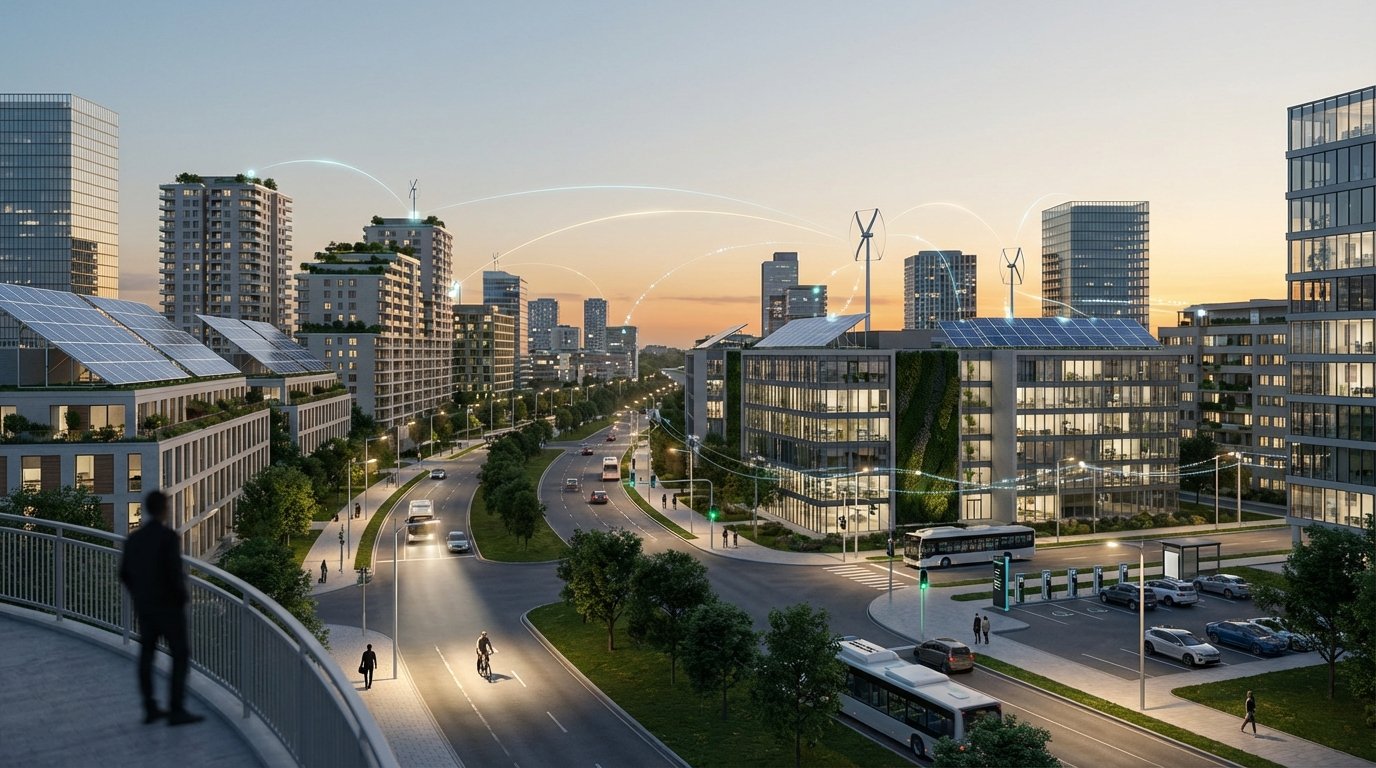
Cities are growing faster than ever—and with that growth comes a massive demand for energy. Lighting, transportation, buildings, water systems, and public infrastructure all consume enormous amounts of power. But here’s the problem: a huge percentage of that energy is wasted due to inefficiencies, outdated systems, and unpredictable human behavior.
That’s where artificial intelligence steps in.
AI isn’t just powering apps or analyzing data behind the scenes. It’s becoming the invisible backbone of sustainable smart cities, reducing waste, optimizing systems, and helping urban areas run cleaner and more intelligently.
Let’s break down the real ways AI is reducing energy waste in modern cities—and shaping the future of sustainable living.
1. Smarter Traffic Systems Reduce Fuel Use and Emissions
Congested traffic isn’t just inconvenient—it’s one of the biggest sources of wasted fuel in urban environments.
AI-powered traffic systems help cities:
-
Adjust signal timing in real time
-
Detect congestion before it forms
-
Redirect traffic around bottlenecks
-
Coordinate emergency vehicle routes
-
Predict heavy flow periods
The result?
✔ Less idling
✔ Less stop-and-go traffic
✔ Lower emissions
✔ Reduced fuel waste
Cities that have implemented AI-based traffic flow systems have seen reductions in congestion and measurable decreases in carbon output.
2. Intelligent Street Lighting Saves Massive Power
Street lighting is one of the largest energy expenses for any city.
Traditional systems burn at full brightness all night long—whether people are around or not.
AI-enabled smart lighting systems:
-
Dim when streets are empty
-
Brighten when sensors detect motion
-
Adjust based on time of day
-
Respond to weather and visibility conditions
-
Learn patterns to optimize usage
This simple upgrade cuts lighting energy consumption by up to 50–70% in many implementations.
Imagine millions of lights across a city running smarter—not harder.
3. AI Helps Buildings Waste Less Energy
Commercial buildings account for a significant portion of urban energy waste. HVAC systems alone can overrun by:
-
Heating or cooling empty rooms
-
Running during off-hours
-
Responding slowly to temperature changes
-
Using inefficient manual control systems
AI building management platforms use:
-
Occupancy sensors
-
Weather forecasting
-
Predictive temperature modeling
-
Real-time energy data
-
Automated HVAC adjustments
And they optimize all of it automatically.
This results in:
✔ Reduced heating and cooling waste
✔ Lower utility bills
✔ More stable building temperatures
✔ Better overall energy efficiency
AI doesn’t just monitor buildings—it actively tunes them.
4. Predictive Maintenance Prevents Energy Loss
Faulty equipment wastes energy quietly and continuously.
AI-powered predictive maintenance systems look for signs of:
-
Motor strain
-
Pump inefficiencies
-
Electrical abnormalities
-
Overheating
-
Failing components
And they catch issues before something breaks.
By analyzing vibration, temperature, sound, and usage patterns, AI identifies subtle signs humans would never catch.
The benefits:
✔ Repairs are cheaper
✔ Equipment lasts longer
✔ Energy waste is minimized
✔ Unexpected failures are avoided
Cities save money and energy—and infrastructure becomes more reliable.
5. Smart Grids Balance Supply and Demand Automatically
Traditional power grids struggle to match supply and demand, which leads to:
-
Electricity waste
-
Brownouts
-
Unstable distribution
-
High operational costs
AI-driven smart grids:
-
Predict demand throughout the day
-
Balance renewable and conventional energy sources
-
Redirect power where it’s needed most
-
Reduce transmission losses
-
Adjust in real time during peak usage
This is especially important as cities integrate:
-
Solar farms
-
Wind energy
-
Battery storage
-
EV charging networks
The grid becomes dynamic, responsive, and far more efficient.
6. AI Improves Water Management and Reduces Waste
Even water systems waste energy.
Water pumping, heating, filtering, and treatment all consume massive power.
AI technologies can:
-
Detect leaks instantly
-
Predict demand spikes
-
Optimize pump operation
-
Prevent water loss in pipes
-
Improve filtration efficiency
A smarter water system = less energy waste + less water waste.
7. AI Helps Cities Monitor Pollution in Real Time
Pollution sensors powered by AI can detect:
-
Air quality changes
-
Hazardous particles
-
Temperature spikes
-
Emissions from traffic or industry
By understanding pollution patterns, cities can make smarter decisions about:
-
Traffic restrictions
-
Public health alerts
-
Power distribution
-
Environmental policy
Cleaner air = healthier cities = less energy needed for emergency responses and healthcare infrastructure.
The Future: Self-Optimizing Cities
The cities of the near future won’t just be connected—they’ll be intelligent.
AI will allow cities to:
-
Tune themselves dynamically
-
Reduce waste automatically
-
Optimize energy usage minute by minute
-
Scale renewable energy more efficiently
-
Protect citizens from environmental risks
We’re entering an age where technology works behind the scenes to make life cleaner, greener, and more sustainable.
AI isn’t replacing infrastructure.
It’s making the infrastructure we already have far smarter.
RELATED ARTICLES
How AI Is Quietly Transforming Renewable Energy Behind the Scenes
A deep dive into how AI predicts energy production, stabilizes the grid, and optimizes storage — the perfect companion to understanding smart city energy efficiency.
AI for a Changing Planet: Innovations Reshaping Climate and Environmental Solutions
Explores cutting-edge AI breakthroughs improving agriculture, climate forecasting, disaster resilience, and environmental protection.
Sustainable AI: How Artificial Intelligence Is Shaping a Greener Planet
Breaks down how AI is cutting emissions, increasing efficiency, and supporting clean infrastructure — a broader view of sustainability practices relevant to smart cities.